
Planning a Spy-Themed Dinner Event
Master the art of hosting an unforgettable evening where mystery, cuisine, and intrigue intertwine. We've gathered everything you need to transform your dinner into a covert operation your guests won't forget.
Why Spy Themes Captivate Sophisticated Guests
There's something about espionage that draws people in. It's not just about the mystery—it's about stepping into a different role for an evening, leaving behind the ordinary and becoming part of something dramatic and engaging. For adults aged 40-60, a spy-themed dinner taps into decades of spy cinema, Cold War intrigue, and the simple pleasure of playing a character.
A well-executed spy dinner isn't just entertainment. It's an experience that creates memories. Your guests will be talking about the evening for months. The key? Attention to detail, clear rules everyone understands, and food that actually tastes exceptional—not an afterthought to the games.
The Four Pillars of Spy Dinner Design
Each element supports the others. Remove one, and the whole experience weakens.
01
Atmosphere & Setting
Lighting, music, and table design create the immersive world. Dim overhead lights, candlelight, subtle spy-themed background music—these aren't decorations, they're the foundation.
02
Character & Costume
Everyone needs a role. Secret agent, double agent, government official, journalist—clear identities help guests commit to the evening and understand their objectives.
03
Game Mechanics & Rules
Simple, clear rules that don't interrupt the meal. Information trading, coded messages, hidden objectives—the game unfolds naturally between courses.
04
Exceptional Food & Drink
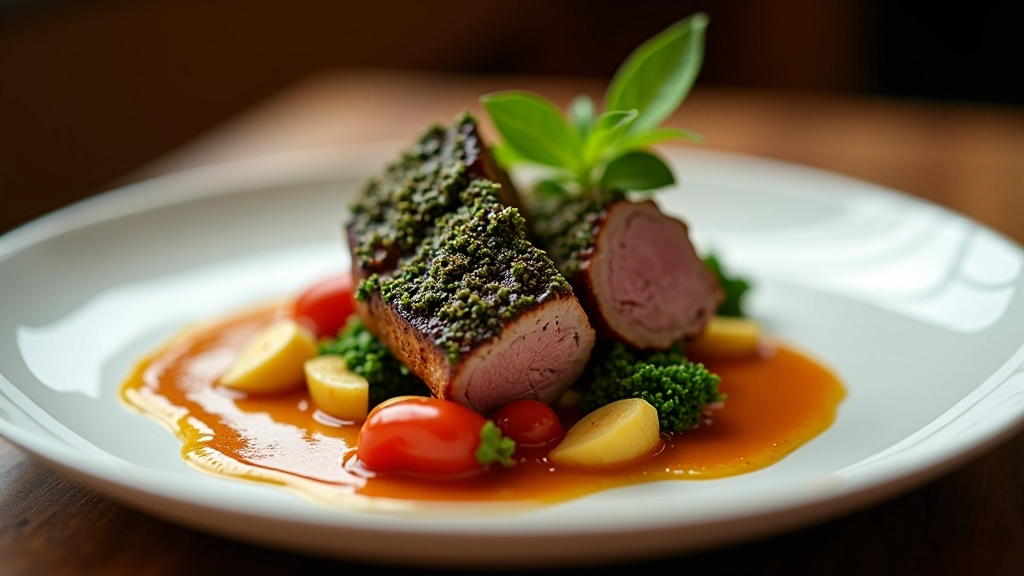
The meal itself is non-negotiable. Your guests expect restaurant-quality food. You're not serving dinner to enhance a game—you're hosting a sophisticated dinner that includes a game.

Costume & Character Development
Don't overthink this. For this age group, costumes mean sophisticated formal wear with subtle spy elements. You're not asking people to wear wigs or fake mustaches—you're elevating their evening attire.
The Costume Framework
Everyone starts with a base: formal dinner clothing (suit, tuxedo, cocktail dress, evening gown). Then add one element that signals their role. A KGB officer wears a Soviet pin. An American intelligence agent carries a fake diplomatic briefcase. A journalist has a notepad and camera. A double agent wears something that could belong to either side—ambiguous and mysterious.
You're creating visual clarity without demanding uncomfortable costumes. Your guests should feel elegant, not ridiculous. Most people already own formal clothing—they just need guidance on what small element transforms them into their character.
Character Cards & Briefings
Send character assignments 2 weeks before the event. Include: name, affiliation, primary objective, one secret they know, one person they should avoid or trust. Keep it brief—half a page maximum. This gives people time to prepare mentally and gather simple costume elements.
Designing Game Mechanics That Actually Work
The game exists to enhance conversation, not replace it. Your mechanics should feel natural, not intrusive.
Information Trading
Each character knows 2-3 pieces of information. They can only share it directly with another player during conversation. Example: Agent Martinez knows "The briefcase contains microfilm." Agent Chen knows "Ambassador Wallace is actually a double agent." Players must approach each other, have genuine conversations, and trade information. This creates natural dialogue and movement throughout the evening.
Coded Messages
Before the event, create 4-5 simple codes. Example: "The weather looks cloudy" means "I have information for you." "I think it's time for coffee" means "Meet me in the hallway in 5 minutes." Hand out a key card to each player. They'll naturally use these during dinner, creating moments of intrigue without disrupting the meal.
The Plot Twist (Dessert Phase)
Resolution & Reveal
Over coffee, ask players to vote on who they believe is the traitor or who achieved their objective. Reveal the truth. Most people won't guess correctly—that's the point. Share a laugh about who fooled whom, and celebrate the evening's drama. Keep it light; nobody actually loses.
Practical Details That Make It Work
Success lives in the details. These logistics elements separate a memorable evening from a chaotic one.
Timing & Pacing
Plan for 3.5 to 4 hours total. Appetizers and mingling (30 minutes) → Character briefing (10 minutes) → First course (20 minutes) → Information trading round one (20 minutes) → Main course (40 minutes) → Game intensifies (20 minutes) → Dessert and plot twist (20 minutes) → Resolution and voting (15 minutes). Build buffer time into each phase. Real dinners run slower than you expect.
Seating Arrangements
This matters enormously. Don't seat allies next to each other—they'll form a clique. Mix affiliations. Seat natural conversationalists next to quieter guests. Put the person most comfortable with improvisation opposite someone who'll keep them grounded. Strategic seating creates natural information exchanges and prevents dead zones at the table.
Ambient Sound
Create a Spotify playlist: instrumental spy movie soundtracks (Mission Impossible, James Bond themes, subtle jazz). Keep it around 40 decibels—loud enough to set mood, quiet enough for conversation. Test the volume beforehand. You want guests leaning in slightly to hear each other, not shouting over music.
Setting the Scene: Décor & Atmosphere
Environment is everything. Your guests step into a world the moment they arrive.
Lighting
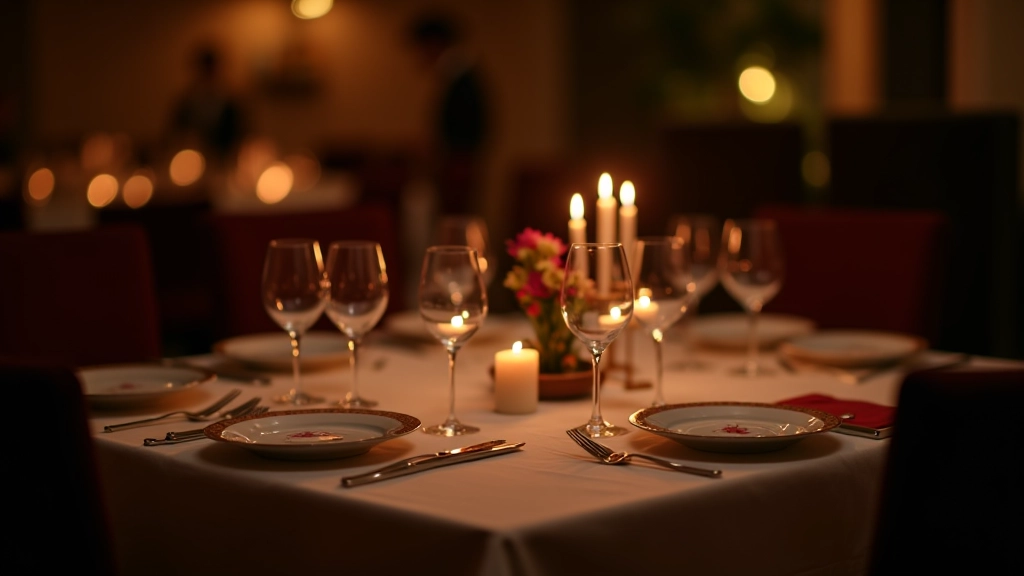
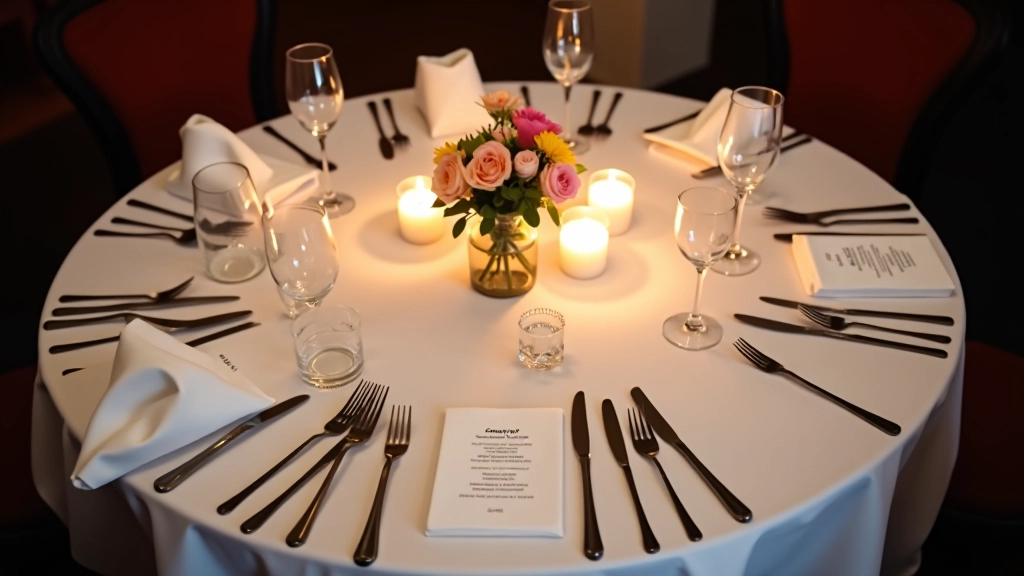
Dim overhead lights to 30-40% brightness. Use candlelight—lots of it. Tea lights, candles in glass holders, even string lights if you're hosting outdoors. The goal is intimate and slightly mysterious, not a nightclub. Avoid harsh white light. Warm tones (2700K color temperature) work best for sophisticated spy ambiance.
Table Design
Dark tablecloth (navy, black, or burgundy) with white or silver napkins. Elegant place settings matter more than elaborate centerpieces. Add subtle spy elements: a small vintage camera as a centerpiece, rolled maps, a compass. Keep it sophisticated—this is a formal dinner, not a themed party with balloons.
Visual Signals
Use small lapel pins, armbands, or wristbands to signal affiliation (color-coded by agency). Place a "classified documents" folder at each seat. These visual elements cost almost nothing but create immediate immersion when guests arrive.
Drinks & Service
Offer quality wine, cocktails, and non-alcoholic options. A signature spy-themed cocktail (something with a name like "The Defector" or "Operation Nightfall") adds fun without being gimmicky. Serve it in proper glassware—elegant matters. Keep water glasses full throughout the meal.
Your Essential Checklist
Three weeks before your event, print this list and work through it systematically.
Two Weeks Before
- Finalize guest list and send character assignments
- Plan your complete menu and test one dish
- Create game mechanics document and share with co-hosts
- Design seating chart based on character roles
- Confirm dietary restrictions with all guests
One Week Before
- Shop for all non-perishable ingredients
- Print character cards, coded message keys, and briefing sheets
- Prepare your ambient music playlist
- Gather décor elements and test lighting setup
- Brief any co-hosts on their roles
Day Of
- Set the table 2 hours before guests arrive
- Prepare appetizers and have them ready to serve
- Test music volume and lighting one final time
- Brief co-hosts on timing and backup plans
- Greet guests in character and distribute briefings
The Real Magic Happens in the Details
You've got the framework now. What transforms a spy dinner from good to unforgettable isn't elaborate production—it's commitment to the small things. A host who stays in character, even slightly. Games that let people surprise themselves with their creativity. Food that tastes genuinely excellent. Music that sets the mood without overwhelming conversation. Lighting that makes everyone look good and feel mysterious.
Your guests don't need perfection. They need to feel like you cared enough to plan something special, something that treats them as sophisticated adults ready for an evening of intrigue. That's the real espionage—making them feel like they're part of something exclusive, even if it's just dinner in your dining room.
"The best spy dinners aren't about elaborate tricks. They're about creating permission for adults to step outside their normal roles and enjoy an evening of theatrical conversation. Everything else is just seasoning."
Important Note
This article provides informational guidance for planning entertainment events. Spy-themed dinners are designed purely for adult social entertainment and interactive storytelling. All games, characters, and scenarios are fictional and intended for consensual adult participation. Always ensure all guests understand the nature of the event and willingly participate. If hosting, communicate clearly with guests about expectations, game mechanics, and duration before the event begins.
Explore More Mystery Events

Team Riddle Competitions: Design & Rules
Read More →