Team Riddle Competitions: Design & Rules
Create challenging riddle competitions that engage teams without overwhelming them. Learn proven difficulty scaling, rule structures, and prize concepts.

Why Riddle Competitions Work
Riddle competitions bring people together in ways that other games don't. They're collaborative, they reward creative thinking, and they don't require physical ability — everyone gets to participate equally. Whether you're planning a mystery night for 40-year-olds or a team-building event, riddle competitions create genuine engagement.
The key is getting the difficulty right. Too easy and people feel bored. Too hard and they get frustrated. We've run dozens of these events across Portugal, and we've learned what actually works. This guide covers everything you need to structure a riddle competition that people will actually enjoy.
The Three-Round Structure
We recommend splitting your competition into three rounds. This keeps momentum going and prevents anyone from falling too far behind early on. It's also more fair — if one team struggles with riddles about literature, they'll get a chance to catch up in the wordplay or logic rounds.
Round one focuses on classic riddles and wordplay. These warm people up and build confidence. Round two shifts to logic puzzles and lateral thinking problems. By round three, you've got teams engaged and ready for the trickiest challenges. We typically run 4-5 riddles per round, which takes about 45 minutes total.
Typical Timeline
- Round 1 (Warm-up): 12 minutes for 5 riddles
- Round 2 (Logic): 18 minutes for 5 riddles
- Round 3 (Challenge): 15 minutes for 4 riddles
- Scoring & announcements: 10 minutes
Scaling Difficulty Without Frustration
The biggest mistake we see? Organizers jump from easy riddles straight to brain-melters. Your participants haven't warmed up their problem-solving muscles yet. Start with riddles that 70-80% of teams solve in under two minutes. These aren't gimmes, but they're confidence builders.
In round two, you can push harder. Aim for riddles where maybe 40-50% of teams get the answer. Round three is where you bring the real challenges — 20-30% success rate is fine here. Nobody expects to solve everything, but they'll appreciate the difficulty progression.
One tactical move that works well: give teams 3 minutes for easy riddles, 5 minutes for medium, and 6-7 minutes for hard ones. This keeps the pace moving and prevents the energy from dropping while people stare at impossible problems.
Clear Rules Keep Things Fair
You need a ruleset before you start. Teams will argue about technicalities otherwise, and that kills the fun. Here's what we recommend covering:
Answer Format
Answers must be given in writing. Verbal answers can be disputed. Teams write their answer on paper and hand it to you at time's up. This prevents last-minute shouting and keeps things orderly. Spelling doesn't matter — "nite" and "night" both count.
Time Limits
Once you announce the riddle, the clock starts immediately. No repeating it. If a team doesn't understand the riddle, they can raise their hand for a repeat, but it counts against their time. This prevents teams from stalling or asking for hints. Be firm about this — fairness matters.
No External Help
Teams can't use phones, tablets, or ask people outside their team. Make this clear at the start. It's less about preventing cheating and more about keeping the challenge real. Everyone's solving based on their own knowledge and thinking.
Scoring System
Award points for correct answers. We suggest 1 point per riddle in round one, 2 points in round two, 3 points in round three. This way, catching up in later rounds is actually possible. Bonus points (0.5 or 1 point) for fastest correct answer adds friendly competition without being unfair.
Prize Ideas That Actually Matter
You don't need expensive prizes. What matters is recognition and something memorable. We've had great success with small, themed prizes that fit the mystery or detective theme of your event.
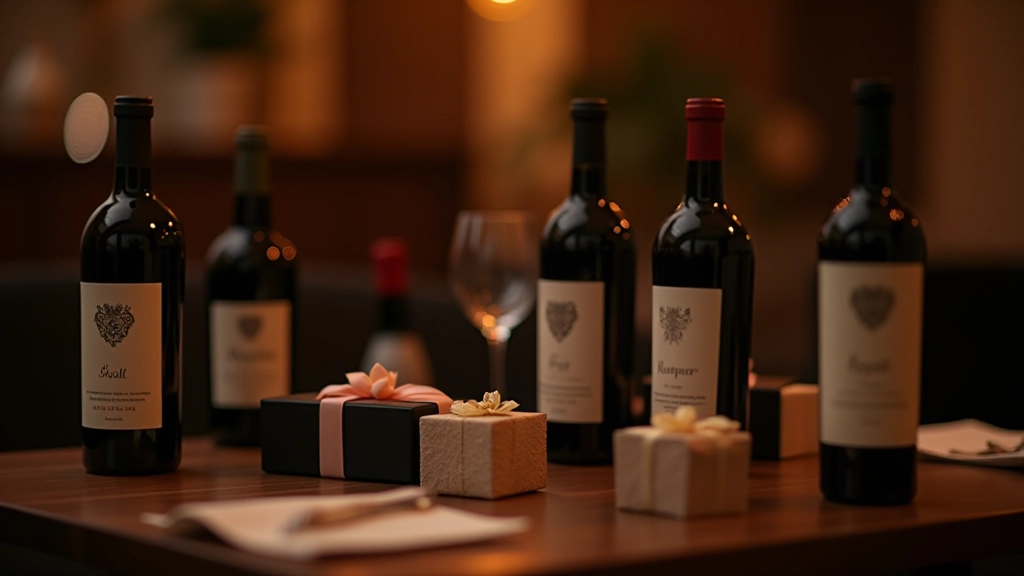
The winning team gets first pick from the prize pool. Second place gets second pick. Third place gets what's left. This keeps things playful and gives people options. Some teams genuinely want the fancy wine bottle. Others prefer the quirky detective gadget toy. Letting them choose adds personality to the win.
Prize Ideas We Recommend
- First place: Premium bottle of wine or Portuguese craft spirits (40-60€ value)
- Second place: Mystery dinner voucher or specialty food gift box
- Third place: Detective-themed game set or brain puzzle collection
- All teams: Small token (chocolate, candle) just for participating
Making It Run Smoothly
The actual running of the competition matters as much as the setup. Here's what separates a great event from a chaotic one:
Brief Before Starting
Spend 3-5 minutes going over the rules. Read them aloud. Answer questions. Make sure everyone understands scoring, time limits, and answer format. This upfront clarity prevents arguments during the competition.
Use a Timer
A visible timer — projected on screen or on the wall — is essential. Teams can see how much time's left. This reduces arguments about whether time was called fairly. Use an audio alarm when time's up so there's no ambiguity.
Collect Answers Visibly
When time's called, collect all answer sheets immediately. Do this at the table level. This shows you're fair and prevents teams from changing their answers. It also creates a moment of anticipation — people want to see if they got it right.
Announce Answers & Scores Quickly
Read the correct answer, reveal which teams got it right, and update the scoreboard immediately. Don't drag this out. People want to know where they stand before the next riddle. Keeping pace keeps energy high.
Final Thoughts
Riddle competitions succeed because they're inclusive. Adults who might not want to run a race or act in a murder mystery will absolutely sit down and work through a good riddle. You don't need fancy equipment or complex setup. You just need good riddles, clear rules, and someone running the show fairly.
Start with the three-round structure. Keep difficulty scaling reasonable. Stick to your rules. Keep the pace moving. Do this right, and you've got an event people will actually talk about afterward — which is honestly the best compliment you can get.
Looking to organize a full mystery event? We've got guides for Mafia game nights, spy-themed dinners, and adventure parties across Portugal.
Explore More Event GuidesAbout This Guide
This guide is based on our experience running team events in Portugal and represents best practices for creating engaging riddle competitions. Results will vary based on your specific group, venue, and event goals. We recommend testing these approaches with your own events and adjusting based on what works best for your participants.
Related Guides