
Hosting Your First Mafia Game Night
Everything you need to organize an engaging Mafia game session with friends. Master the rules, manage the roles, and keep everyone entertained for hours.

What Makes a Great Mafia Game?
Mafia isn't just about winning — it's about the experience. You'll watch quiet friends become dramatic negotiators, see careful thinkers crack under pressure, and witness alliances form and shatter in minutes. The beauty of this game is that it doesn't require fancy equipment or expensive materials. What it does require is good pacing, clear rules, and a moderator who keeps things moving.
We've hosted dozens of Mafia nights in Portugal, and we've learned what separates a forgettable evening from one people talk about for months. The secret? It's not complicated. You need the right group size, consistent rules everyone understands, and a host who isn't afraid to inject a little humor when things get tense. Let's walk through everything you need to know.

Setting Up Your Game
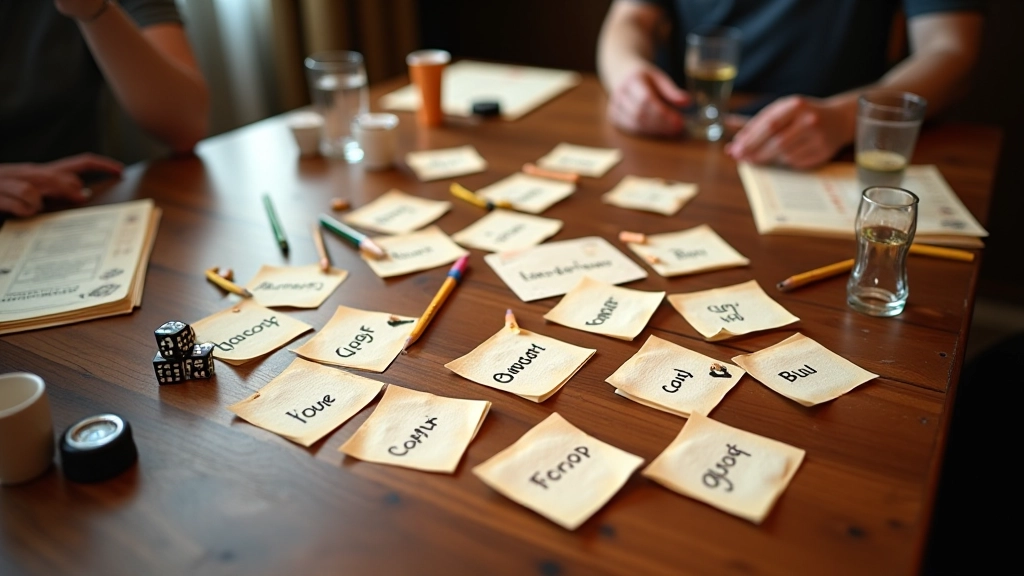
Start with 6 to 12 players — this is your sweet spot. With fewer people, the game gets predictable quickly. With more, someone's sitting around waiting. You'll need notecards and a pen. That's genuinely it. Write down roles: 2 Mafia members, 1 Doctor, 1 Cop, and fill the rest with Villagers.
Seat everyone in a circle so everyone can see everyone else's face. This matters more than you'd think. When people can't see reactions, the social deduction element falls apart. The moderator sits in the circle too, but slightly apart. You don't need a separate "moderator chair" — just position yourself where you can track who's talking and keep the time.
Have everyone silence their phones. Seriously. Someone texting kills momentum faster than anything else. Set a timer on your phone for each phase — we'll get into timing in a moment. Two hours total is perfect for a full game with discussions and breaks.
Understanding the Core Roles
Each role has a specific power and agenda. Here's how they work together to create tension and strategy.
The Mafia (2 players)
They know each other. Each night, they secretly choose one Villager to eliminate. Their goal: eliminate all Villagers without being voted out. They'll lie, bluff, and act innocent.
The Doctor (1 player)
Each night, chooses one person to "protect." If the Mafia targets that person, they're saved. Can't protect the same person twice in a row. Doesn't know who the Mafia is.
The Cop (1 player)
Each night, investigates one person and learns if they're Mafia or Villager. This is huge information. The trick? You can't always trust what you learn — some variants include a "Cop block" role that confuses investigations.
Villagers (remaining players)
They don't know anyone's role. Their only power: voting during the day phase. They win if all Mafia are eliminated. That's it. That's their entire strategy — discussion and voting.
The Game Flow: Night & Day Cycles
A typical round takes 8-10 minutes. Each game has 4-6 rounds. Here's how it works:
Everyone closes their eyes. Moderator whispers to Mafia: "Who do you eliminate?" They silently point. Then ask the Doctor: "Who do you protect?" Then the Cop: "Who do you investigate?" Write everything down. This happens silently and quickly.
Everyone wakes up. Announce: "[Person] has been eliminated." Everyone discusses who they think the Mafia is. Then vote. Majority vote eliminates someone. That person is out of the game. They can't talk anymore, but they watch the rest.
Villagers win if both Mafia are eliminated. Mafia wins if they equal or outnumber the Villagers (usually at 2v3 or less). Game ends immediately when either condition is met.

Pro Tips for Running a Smooth Game
Keep Strict Time Limits
Set a timer for day phase discussions (5 minutes). When time's up, voting happens immediately. This stops endless rambling and keeps energy high. Night phases should be under 3 minutes — you know what's happening, people just need to decide.
Be a Neutral Moderator
Don't react when people guess roles correctly. Don't hint at who's Mafia. Your face should be completely blank. This is harder than it sounds, especially when someone makes a wild accusation that's actually correct. Practice staying stone-faced.
Let Arguments Happen
When people get heated, that's good. Let them debate. The Mafia wants confusion — the Villagers want clarity. These competing interests create drama. Don't shut down arguments unless they're getting mean-spirited. There's a difference between game conflict and real conflict.
Track Everything Visibly
Write down who was eliminated each round and who voted for whom. People will argue about facts. Having a record means you settle disputes with evidence, not memory. Write large enough that everyone can see from across the table.
Play Multiple Rounds
One game isn't enough. Play 2-3 in an evening. People get better each round. They start understanding strategy. Plus, after you lose the first game, you're hungry to win the second one. The second game's always more competitive.
Adjust for Your Group
Some groups love long discussions — give them 7 minutes per day phase. Some groups prefer faster rounds — cut it to 3 minutes. Some want complex roles — add Vigilante or Priest roles. You're not playing "official Mafia." You're running a night your friends enjoy.

Adding Depth to Your Games
Once you've mastered basic Mafia, you can add roles that create new strategic layers. The Vigilante eliminates someone during the night (like an aggressive Villager). The Priest reveals someone's alignment but is killed if discovered. The Spy sits with the Mafia at night but isn't one of them. These roles aren't necessary — but they make repeated games feel fresh.
You can also experiment with rule variations. Some groups play with a "No Revote" rule — you can't vote for the same person twice. Others add a "Hammer" mechanic where reaching 50% of votes immediately eliminates someone, cutting short long discussions. The best variants are ones your group actually enjoys playing. Don't add complexity just for the sake of it.
After you've hosted 4-5 nights, you'll develop your own house rules. That's perfectly fine. Document them so everyone knows what they're playing. Consistency matters more than "correctness." Your friends will come back because they enjoy your version of Mafia, not because it matches some rulebook.
Ready to Host Your First Night
You've got everything you need. Get 6-12 friends together, print some notecards with roles, set a timer, and start. The first game will probably feel a bit awkward — people won't know the flow yet. By the second game, they'll understand. By the third, they'll be scheming before it even starts.
The magic of Mafia is that it reveals how your friends think under pressure. Normally quiet people become aggressive debaters. Normally cautious people take wild gambles. You'll learn who's good at reading people, who's a convincing liar, and who panics when accused. That's the real game — the human dynamics, not the roles on the cards.
Pro tip: The best Mafia nights happen when people stop worrying about "winning" and start focusing on the story they're creating together. Your job as host is to make that story move fast, stay fair, and give everyone a chance to shine.



Important Note
This guide provides educational information about hosting Mafia game nights. The rules, timing, and strategies described are based on common variations played by game enthusiasts worldwide. Your experience may vary depending on your group's preferences and house rules. Always ensure all players understand and consent to the rules before starting. Games involving social deduction and discussion are most enjoyable when participants engage respectfully and remember that accusations are part of the game, not personal conflicts. Adapt these guidelines to suit your specific group and circumstances.